
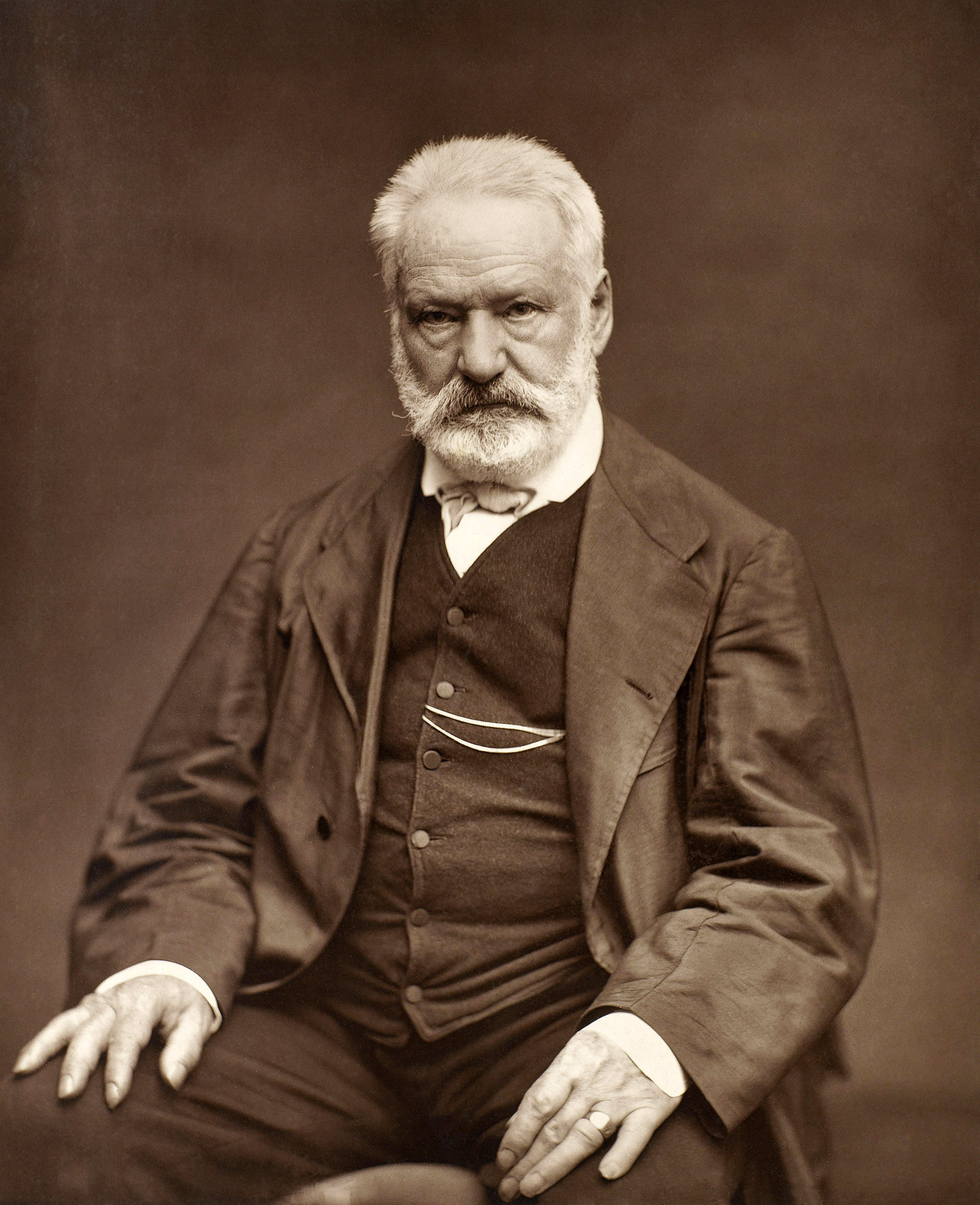
Victor Hugo
Poet, Novelist, Dramatist • 1802-1885
French Romantic writer, best known for Les Misérables and The Hunchback of Notre-Dame.
Daily Schedule
What to Learn from Victor's Routine
Hugo's routine combined intense creative discipline with vigorous physical activity. His morning writing session (7 AM to 11 AM) was highly productive, often producing several pages of his epic novels. The cold bath on his rooftop wasn't just hygiene—it was a ritual that marked the transition from creative work to social life. His afternoon exercise routine (2-4 PM) was legendary: long walks or beach exercises that maintained his physical vigor into old age. Hugo understood that a writer's body matters as much as their mind. The evening dinner and philosophical discussions (6:30-10 PM) show how social and intellectual life fed his work. His correspondence with Juliette Drouet (his mistress) bookended his day, providing emotional connection. The routine reveals how Hugo balanced solitary creative work with rich social engagement, physical vigor with intellectual depth. His productivity was astounding—he wrote while standing at a tall desk, sometimes naked to prevent himself from leaving the room before finishing his daily quota. This combination of discipline, physicality, and social richness sustained a 60-year writing career.
Key Takeaways
- •Morning hours for intensive creative work
- •Physical exercise maintains creative energy
- •Social engagement enriches creative output
- •Physical constraints can enforce discipline
Sources
- • Victor Hugo by Graham Robb
- • Daily Rituals by Mason Currey
Key Takeaways from Victor Hugo's Routine
- 1.Morning hours for intensive creative work
- 2.Physical exercise maintains creative energy
- 3.Social engagement enriches creative output
- 4.Physical constraints can enforce discipline
What We Can Learn
Victor Hugo's routine demonstrates several important principles of effective time management. As a poet, novelist, dramatist, their approach to structuring the day reveals insights into balancing writing and creative-work. The routine shows how intentional time allocation and consistent patterns can maximize productivity and impact.
Modern professionals can adapt these principles by focusing on the underlying patterns rather than exact timing. The key is understanding your own energy cycles and aligning important work with peak performance hours, just as Victor Hugo did.