
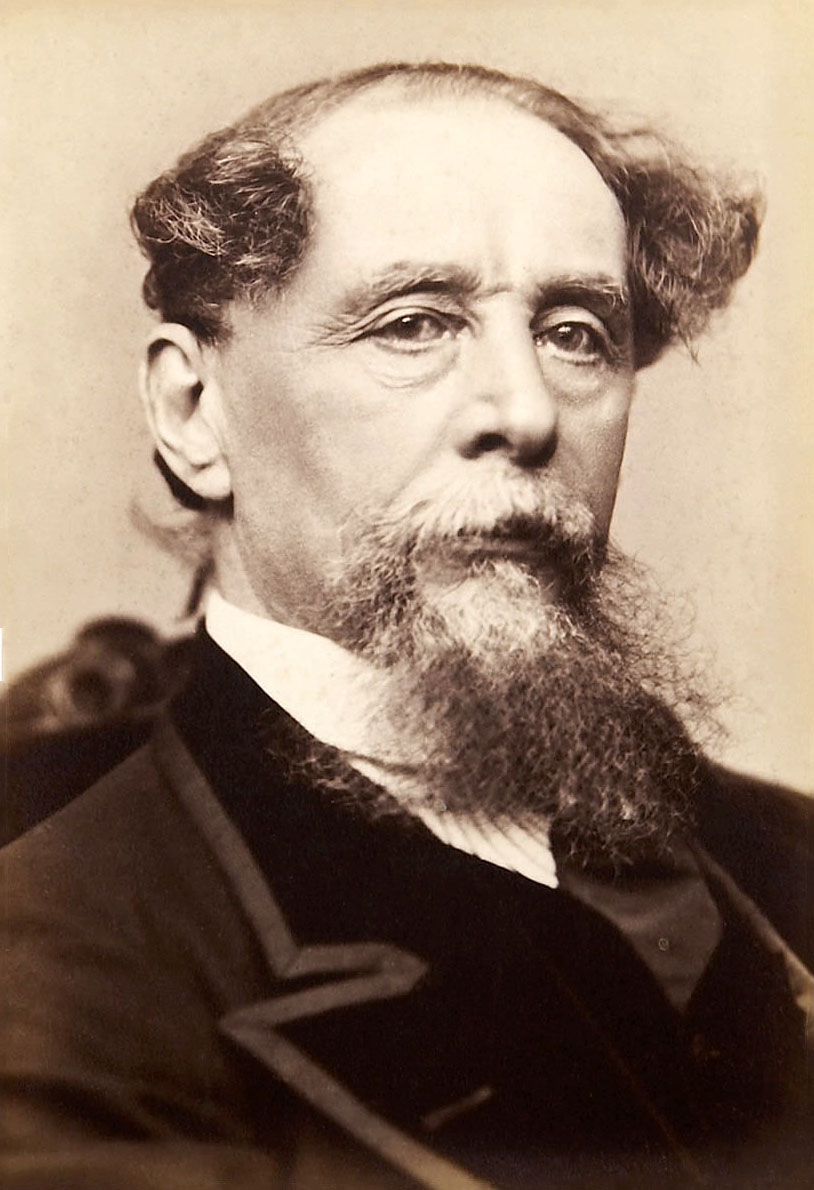
Charles Dickens
Novelist • 1812-1870
English writer and social critic, creator of some of the world's best-known fictional characters.
Daily Schedule
What to Learn from Charles's Routine
Dickens's routine reveals obsessive-compulsive tendencies channeled into creative productivity. His morning ritual of arranging his desk—every item in its exact place—wasn't procrastination but psychological preparation. The five-hour writing block (9 AM to 2 PM) was sacred and highly productive, producing the serialized novels that made him famous. But it's his afternoon walks that are most remarkable: 10-15 miles daily, often through London's poorest neighborhoods. These weren't leisure—they were research, observation, and physical processing of his morning's work. He walked so vigorously that companions struggled to keep up. The walks fed his novels with vivid characters and settings drawn from real life. His evening reading and editing (9 PM to midnight) show his commitment to craft—he constantly revised and improved his work. The routine demonstrates how physical movement can be integral to creative work, how observation feeds imagination, and how rituals (the desk arrangement) can trigger creative flow. Dickens's productivity was legendary, and this routine sustained it for decades.
Key Takeaways
- •Rituals prepare the mind for creative work
- •Long walks provide observation and processing time
- •Physical vigor supports mental creativity
- •Evening revision improves morning's output
Sources
- • Charles Dickens by Claire Tomalin
- • Daily Rituals by Mason Currey
Key Takeaways from Charles Dickens's Routine
- 1.Rituals prepare the mind for creative work
- 2.Long walks provide observation and processing time
- 3.Physical vigor supports mental creativity
- 4.Evening revision improves morning's output
What We Can Learn
Charles Dickens's routine demonstrates several important principles of effective time management. As a novelist, their approach to structuring the day reveals insights into balancing writing and creative-work. The routine shows how intentional time allocation and consistent patterns can maximize productivity and impact.
Modern professionals can adapt these principles by focusing on the underlying patterns rather than exact timing. The key is understanding your own energy cycles and aligning important work with peak performance hours, just as Charles Dickens did.