
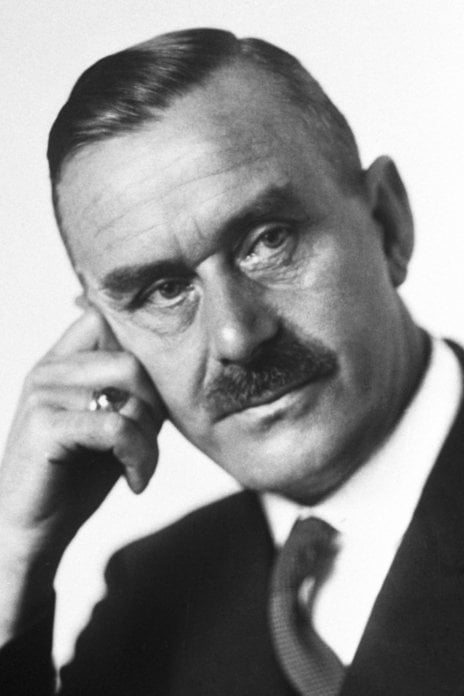
Thomas Mann
Novelist, Essayist • 1875-1955
German novelist, short story writer, and essayist, winner of the 1929 Nobel Prize in Literature.
Daily Schedule
What to Learn from Thomas's Routine
Mann's routine exemplifies the bourgeois writer's life: comfortable, structured, and productive. His morning writing session (9 AM-noon) was sacrosanct—three hours of focused work on his novels, fueled by coffee and cigarettes. The ritual of the first cigar after lunch marked the transition from creative work to intellectual consumption. His afternoon reading (12:30-4 PM) wasn't leisure but professional development—he read widely in philosophy, science, and literature, feeding his novels with ideas. The afternoon nap (4-5 PM) recharged him for evening work on reviews and articles (5:30-7 PM). His evening entertainment (7:30 PM-midnight) included theater, concerts, and social gatherings—the cultural life of early 20th-century Munich. The routine reveals how Mann balanced creative work (morning novels) with intellectual work (afternoon reading, evening articles) and cultural engagement (evening entertainment). His productivity was remarkable—major novels like 'The Magic Mountain' and 'Doctor Faustus' emerged from this disciplined routine. The routine shows that creative work thrives on structure, intellectual input, and cultural immersion.
Key Takeaways
- •Morning hours for primary creative work
- •Reading feeds creative output
- •Naps enable second work sessions
- •Cultural engagement enriches creative work
Sources
- • Thomas Mann by Hermann Kurzke
- • Daily Rituals by Mason Currey
Key Takeaways from Thomas Mann's Routine
- 1.Morning hours for primary creative work
- 2.Reading feeds creative output
- 3.Naps enable second work sessions
- 4.Cultural engagement enriches creative work
What We Can Learn
Thomas Mann's routine demonstrates several important principles of effective time management. As a novelist, essayist, their approach to structuring the day reveals insights into balancing writing and creative-work. The routine shows how intentional time allocation and consistent patterns can maximize productivity and impact.
Modern professionals can adapt these principles by focusing on the underlying patterns rather than exact timing. The key is understanding your own energy cycles and aligning important work with peak performance hours, just as Thomas Mann did.