
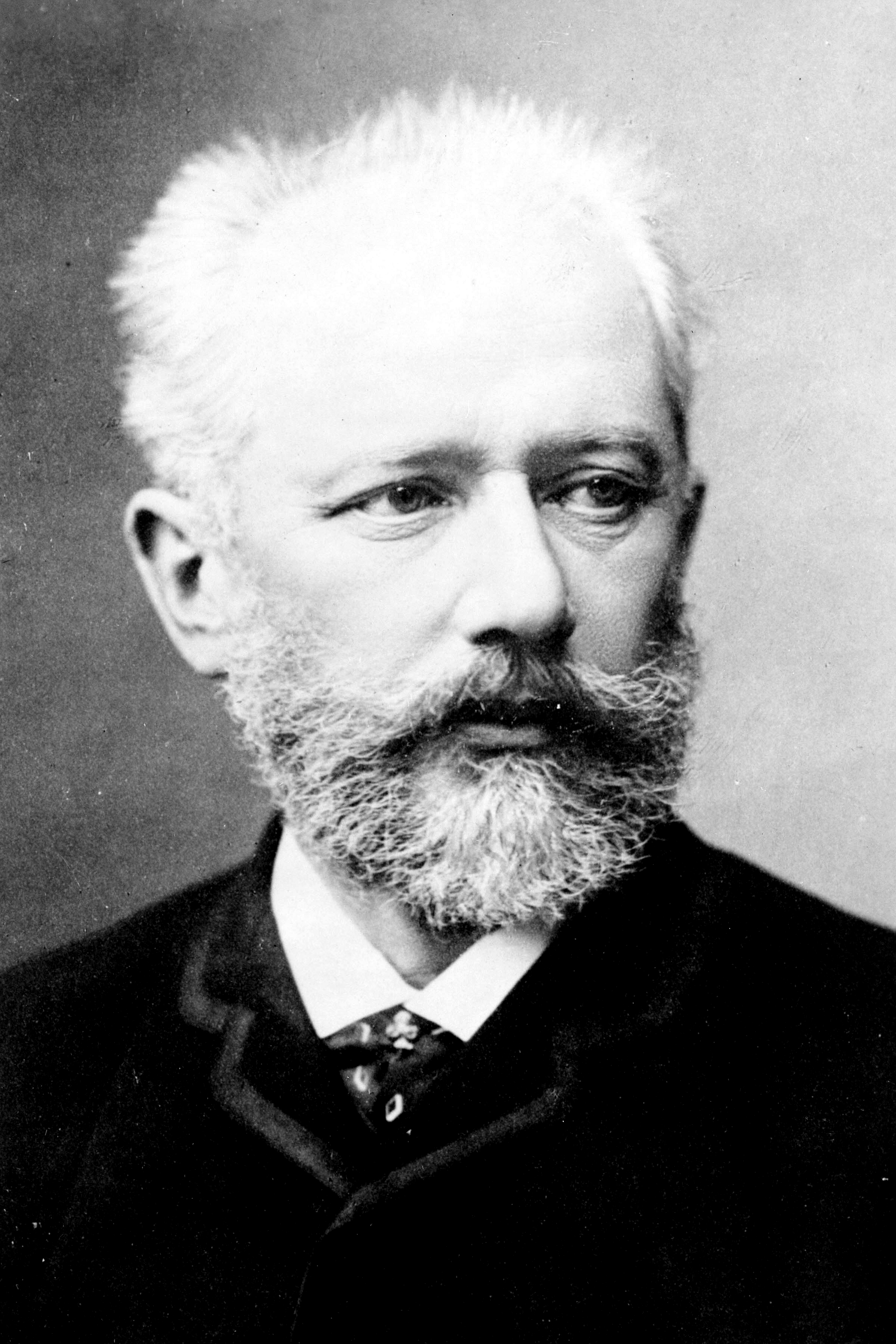
Pyotr Ilyich Tchaikovsky
Composer • 1840-1893
Russian composer of the Romantic period, known for his ballets and symphonies.
Daily Schedule
What to Learn from Pyotr's Routine
Tchaikovsky's routine centered on his daily walk, which he believed was essential to his health and creativity. The two-hour walk (1-3 PM) was taken in all weather, and he was superstitious about its duration—he believed cutting it short would bring bad luck. His morning administrative work (9:30 AM-noon) handled correspondence and proofs, clearing mental space for afternoon composition. The composing session (4-6 PM) at the piano was when he developed musical ideas, though he often composed mentally during his walks. His evening reading and card games (8-10 PM) provided relaxation after creative work. The routine reveals Tchaikovsky's belief in the connection between physical health and creative output. His walks weren't just exercise but active composition time—he'd return from walks with fully formed musical ideas. The routine also shows his struggle with depression and anxiety: the rigid structure provided stability and predictability that helped manage his mental health. His productivity was remarkable—ballets like 'Swan Lake' and 'The Nutcracker,' symphonies, concertos, and operas all emerged from this disciplined routine.
Key Takeaways
- •Walking is essential for creative thinking
- •Routine provides stability for mental health
- •Separate administrative from creative work
- •Physical health supports creative output
Sources
- • Tchaikovsky by Roland John Wiley
- • Daily Rituals by Mason Currey
Key Takeaways from Pyotr Ilyich Tchaikovsky's Routine
- 1.Walking is essential for creative thinking
- 2.Routine provides stability for mental health
- 3.Separate administrative from creative work
- 4.Physical health supports creative output
What We Can Learn
Pyotr Ilyich Tchaikovsky's routine demonstrates several important principles of effective time management. As a composer, their approach to structuring the day reveals insights into balancing classical-music and creative-work. The routine shows how intentional time allocation and consistent patterns can maximize productivity and impact.
Modern professionals can adapt these principles by focusing on the underlying patterns rather than exact timing. The key is understanding your own energy cycles and aligning important work with peak performance hours, just as Pyotr Ilyich Tchaikovsky did.